
The Ultimate Guide to Spanish Padel: Mastering the Unique Blend of Tennis and Squash
3 min read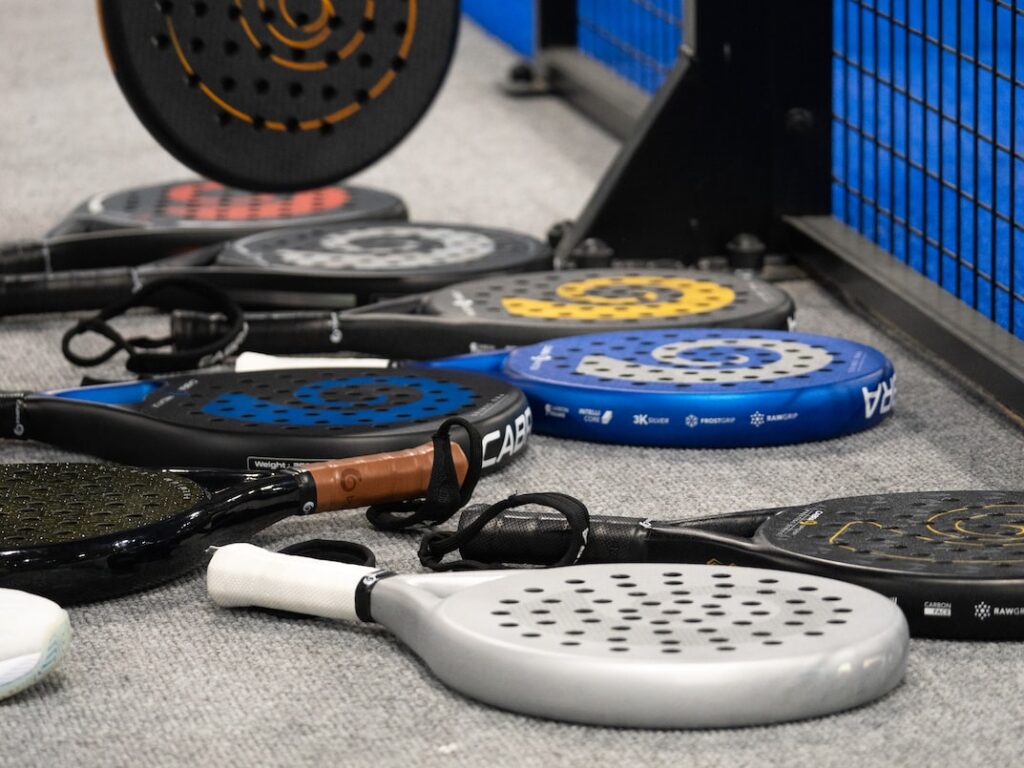
The Ultimate Guide to Spanish Padel: Mastering the Unique Blend of Tennis and Squash
Introduction
Are you a fan of both tennis and squash? If so, you’re in for a treat! Spanish Padel, a unique sport that combines the best elements of both games, is gaining popularity worldwide. In this ultimate guide, we will take you through everything you need to know about Spanish Padel, from its origin to mastering the game like a pro. Let’s dive in and explore the fascinating world of Spanish Padel!
What is Spanish Padel?
Spanish Padel, often simply referred to as “padel,” is a fast-paced and dynamic racquet sport. It originated in Mexico in the 1960s and quickly spread to Spain, where it gained immense popularity. Padel is played on a smaller indoor or outdoor court, surrounded by glass walls and metal mesh fences. It is typically played in doubles, although singles matches are also common.
The Unique Blend of Tennis and Squash
One of the main reasons behind the widespread appeal of Spanish Padel is its unique blend of tennis and squash. Just like tennis, players use a solid racquet to hit the ball over the net. However, unlike tennis, the court is enclosed with walls just like in squash. This not only adds an exciting element of strategy, but it also eliminates the need to chase balls around the court like in tennis.
The balls used in Spanish Padel are similar to tennis balls but slightly smaller and with less pressure. This gives the game a slightly slower pace, making it easier for beginners to pick up. The smaller court size also means that players can quickly cover the whole area, enhancing the fast-paced nature of the game.
The Rules of Spanish Padel
To become a master of Spanish Padel, it’s crucial to understand the rules of the game. While the basic principles are similar to tennis, there are a few notable differences.
1. Scoring: Padel follows the same scoring system as tennis, with love (0), 15, 30, and 40 points. However, unlike tennis, there are no advantages. If the score reaches 40-40, it is called “deuce,” and the next point wins the game.
2. Let Rule: In padel, if the serve hits the net and lands within the correct service box, it is a “let” and the serve is retaken. However, if the ball hits the net and goes out of bounds, it is considered a fault.
3. Walls in Play: Unlike tennis, the walls are legal to play off in padel. Players can use the walls strategically to keep the ball in play or to confuse their opponents. This aspect adds an exciting element to the game and requires players to be agile and adaptable.
Mastering Spanish Padel
Ready to take your Spanish Padel skills to the next level? Here are some tips to help you become a true padel expert:
1. Get the right equipment: Invest in a good padel racquet and comfortable shoes suitable for the court surface. This will greatly enhance your performance and prevent any unnecessary discomfort.
2. Familiarize yourself with the court: Spend time playing in different areas of the court to understand the angles and how the walls affect the game. Experiment with hitting shots off the walls and practice your aim for pinpoint accuracy.
3. Communication is key: Since padel is mostly played in doubles, communication with your partner is vital. Discuss strategies, cover each other’s weaknesses, and learn to anticipate each other’s moves. A great partnership can lead to unstoppable teamwork on the court.
4. Adapt your skills: If you come from a tennis background, remember that padel requires a slightly different set of skills. Learn to control the ball with finesse rather than relying solely on power. Work on shots like the bandeja (lofted shot) and vibora (quick flick shot) to take your game to new heights.
Conclusion
Spanish Padel, with its unique blend of tennis and squash, offers a thrilling and strategic sport for players of all ages and skill levels. Whether you’re a beginner or an experienced player, mastering Spanish Padel requires practice, communication, and adaptability. So grab your racquet, find a court near you, and immerse yourself in the exciting world of Spanish Padel!